Prague, Czech Republic
Josefov and the Old-New Synagogue
יוֹזֶפוֹב, הָרוֹבַע הַיְּהוּדִי Yozefov, HaRova HaYehudi
The oldest active synagogue in Europe, six more around it and a cemetery where the graves are stacked twelve deep.
Synagogue completed about 1270; the quarter cleared and rebuilt around 1900
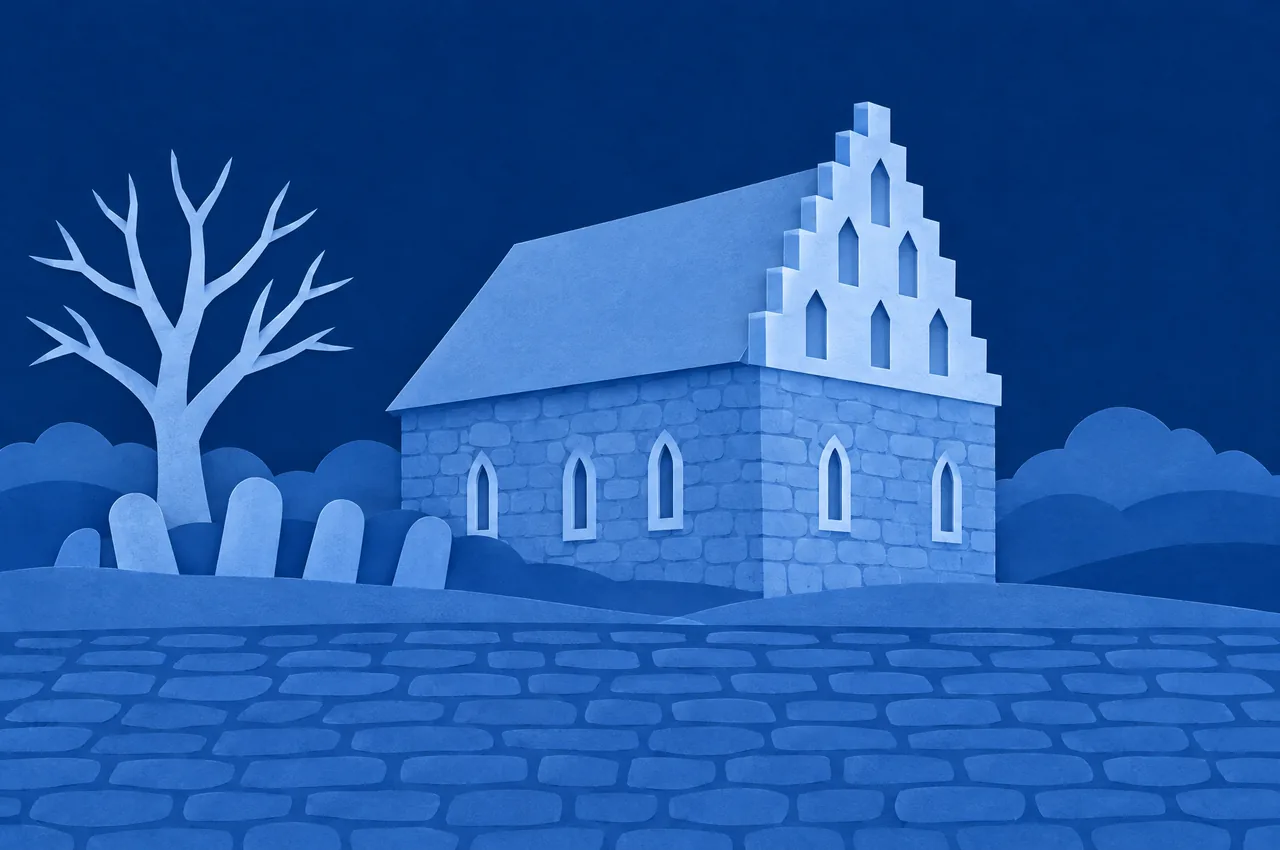
Visiting Josefov and the Old-New Synagogue
- What to wear
- Ordinary city clothes with shoulders covered. Head covering for men inside.
- Photography
- Permitted in some museum synagogues, not in the Old-New Synagogue or the cemetery. Signs are clear and staff will remind you.
- Cost
- A combined ticket covers the museum synagogues and the cemetery; the Old-New Synagogue is separate or an add-on. Closed on Shabbat and Jewish holidays.
- When to go
- First thing in the morning. By eleven the cemetery path is single file.
- Access
- Flat streets. The synagogues have thresholds and steps and the cemetery path is uneven gravel and stone.
Etiquette
- DoMen cover their heads in the synagogues and in the cemetery. Paper kippot are at every door.
- DoThe Old-New Synagogue is a working synagogue with daily prayer, not an exhibition room. Service times are posted at the entrance.
- AvoidPhotography is not permitted inside the Old-New Synagogue or in the cemetery.
- DoThe walls of the Pinkas Synagogue carry the names of nearly seventy-eight thousand Czech and Moravian Jews murdered in the Holocaust. People read them in silence.
- DoThe cemetery stones lean because burials were layered for centuries in a plot that could not be enlarged. Stay on the marked path.
Local tip
Save the Old-New Synagogue for last, after the museum rooms. Walking out of exhibitions into a room that is simply used, with worn benches and a heating pipe, is the entire point of the quarter.
Hours, prices, access and security arrangements change: check official sources before you go, and follow the instructions of site and security staff. In an emergency, call the local emergency number (in Israel: police 100, ambulance 101, or 112 from a mobile).
The history of Josefov and the Old-New Synagogue
Still in use after seven centuries
The Old-New Synagogue was finished around 1270 in early Gothic style and has been in use ever since, apart from the years of Nazi occupation. Its twin-nave hall, five-ribbed vaults and the community banner hanging inside are all original to the building tradition of the place.
The name
Altneuschul is explained either as a new synagogue that became the old one when newer ones were built, or from the Hebrew al tnai, meaning on condition. The second is a later folk etymology. Nobody knows for certain.
The Maharal
Rabbi Judah Loew, the Maharal, led the community here in the late sixteenth century and is buried in the Old Jewish Cemetery. He was a major legal authority and philosopher. The golem story attached to him is a nineteenth-century literary creation, not a contemporary account.
Why the quarter looks new
The crowded lanes of Josefov were demolished between 1893 and 1913 in a sanitation clearance and rebuilt as art nouveau apartment blocks. Six synagogues, the town hall and the cemetery were kept. The museum holds objects gathered here from Czech and Moravian communities during the Nazi occupation.
Hebrew for the visit
Phrases
- אֶפְשָׁר לְהִכָּנֵס?efshar lehikanes?May I come in?Ask at the door rather than walking in during prayers. Most communities welcome a respectful visitor.
- אֶפְשָׁר לְקַבֵּל כִּפָּה?efshar lekabel kipa?May I have a kippah?A basket of kippot usually sits by the door. Men and boys cover their heads in almost every synagogue.
- אֶפְשָׁר לְצַלֵּם?efshar letzalem?May I take a photograph?Usually fine outside prayer times, and not on Shabbat or festivals, when observant Jews do not use cameras.
- הַכֹּל סָגוּר בְּשַׁבָּת?hakol sagur beshabbat?Is everything closed on Shabbat?Most shops close from Friday afternoon. Tel Aviv, Haifa and Arab towns stay much busier, and Jerusalem goes very quiet.
- כַּמָּה זֶה עוֹלֶה?kama ze oleh?How much does this cost?Hebrew says a price “rises”. The same verb means to go up and to immigrate to Israel.
Words
- בֵּית כְּנֶסֶתbeit knessetsynagogueLiterally “house of gathering”. The Knesset, Israel’s parliament, shares the root.
- בִּימָהbimathe raised platform for reading the TorahCentral in many Sephardi and traditional Ashkenazi synagogues, at the front in others.
- קַדִּישׁKaddishthe prayer of sanctification, said by mourners among othersMostly in Aramaic, and it never mentions death. It requires a minyan.
- נֵרnercandle; lamp
- גָּלוּתgalutexile; the diasporaA charged word. Many prefer תְּפוּצוֹת (tefutzot), dispersion, for Jewish life outside Israel.
- עַתִּיקatikancientFeminine: עַתִּיקָה, as in הָעִיר הָעַתִּיקָה.
Visiting a Synagogue: all the phrases · All 157 phrases in the phrasebook
Last updated:
OrQuest is coming to iPhone and Android.
One email, when OrQuest reaches the app stores.