Tel Aviv-Yafo, Israel
Neve Tzedek
נְוֵה צֶדֶק Neve Tzedek
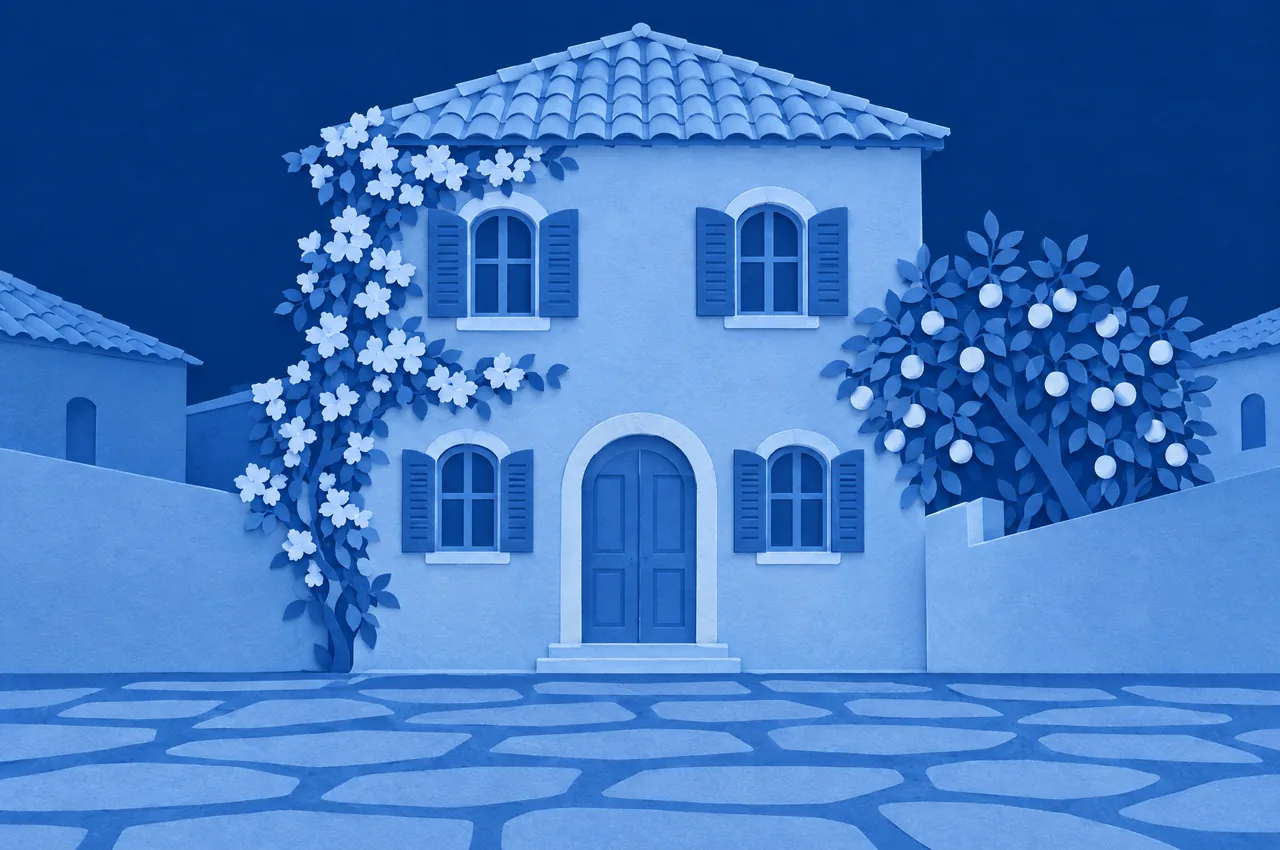
The first Jewish neighbourhood built outside Jaffa, and the closest thing Tel Aviv has to a town that came before it.
Founded 1887
Visiting Neve Tzedek
- What to wear
- Anything. This is secular Tel Aviv.
- Photography
- Fine on the streets. It is residential, so keep lenses out of windows and courtyards.
- Cost
- Free to walk. Cafes, galleries and dance tickets are paid.
- When to go
- Early evening on a weekday, or Saturday morning when the whole city walks slowly.
- Access
- Mostly flat with narrow pavements. The Suzanne Dellal courtyard is step-free.
What to wear at every site in Israel
Etiquette
- DoThese are homes. The lanes are narrow enough that a conversation on the street is heard through the windows.
- DoPhotograph the doorways and the tilework rather than through people’s windows.
- DoThe dance centre’s courtyard is open to sit in even when there is no performance. Sitting quietly is expected, picnicking is not.
- AvoidDo not assume everything is open on Shabbat. Some cafes open, but most shops do not and the buses stop.
- DoCyclists and scooters use these lanes at speed. Walk on one side and look before you step out.
Local tip
Walk Shabazi Street to its end and keep going to the old Jaffa railway station. The two neighbourhoods only make sense once you have seen the line that connected them to Jerusalem.
Hours, prices, access and security arrangements change: check official sources before you go, and follow the instructions of site and security staff. In an emergency, call the local emergency number (in Israel: police 100, ambulance 101, or 112 from a mobile).
The history of Neve Tzedek
The first step out of Jaffa
In 1887 a group of Jewish families bought land north of the Jaffa walls and built houses there. Tel Aviv proper, on the dunes further north, followed in 1909.
The name
Neve Tzedek means an oasis of justice, a phrase taken from Jeremiah. The streets around it carry the names of the families and writers who lived in them.
Writers and dancers
S. Y. Agnon lived here as a young man. The Suzanne Dellal Centre, now the main home of contemporary dance in Israel, occupies two school buildings from the 1890s around a courtyard of orange trees.
Nearly demolished
By the 1960s the neighbourhood was run down and slated for clearance. It survived, was restored from the 1980s onward and is now some of the most expensive property in the city.
Hebrew for the visit
Phrases
- אֲנִי מְחַפֵּשׂ אֶת הָרְחוֹב הַזֶּהani mechapes et harechov hazeI’m looking for this streetA woman says מְחַפֶּשֶׂת (mechapeset). Show the written address and this sentence does the rest.
- יֵשׁ לְךָ הַמְלָצָה?yesh lecha hamlatza?Do you have a recommendation?To a woman: יֵשׁ לָךְ (yesh lach). A shopkeeper or a driver usually beats a guidebook.
- שֻׁלְחָן לִשְׁנַיִם, בְּבַקָּשָׁהshulchan lishnayim, bevakashaA table for two, pleaseFor four say לְאַרְבָּעָה (learbaa). Hebrew numbers take a masculine or feminine form to match what they count.
- הָאוֹטוֹבּוּסִים נוֹסְעִים בְּשַׁבָּת?haotobusim nos'im beshabbat?Do the buses run on Shabbat?Most public transport stops from Friday afternoon to Saturday night. Haifa, some lines in the Tel Aviv area and sherut taxis are exceptions.
- עֶרֶב טוֹבerev tovGood eveningUsed from late afternoon on. Around midday people say tzohorayim tovim instead.
Words
- רְחוֹבrechovstreetStreet signs abbreviate it to רח׳ before the name.
- שְׁכוּנָהshchunaneighbourhood
- בַּיִתbayithouse; homeThe plural בָּתִּים is irregular. In compounds it becomes בֵּית, as in בֵּית סֵפֶר.
- גַּןgangarden; parkגַּן יְלָדִים, a kindergarten, is literally a garden of children.
- קָפֶהkafehcoffee
- יָפֶהyafehbeautiful; niceFeminine: יָפָה. Also used as praise: “well done”.
Getting Around: all the phrases · All 157 phrases in the phrasebook
Last updated:
OrQuest is coming to iPhone and Android.
One email, when OrQuest reaches the app stores.