Jerusalem, Israel
The City of David
עִיר דָּוִד Ir David
The ridge above the spring where Jerusalem started, and the tunnel its people cut to keep the water inside the walls.
Settled from about 3000 BCE; Israelite city from around 1000 BCE
Visiting the City of David
- What to wear
- Ordinary clothes, plus something you do not mind soaking if you take the water tunnel.
- Photography
- Fine at the excavations. Residents and their homes only with permission.
- Cost
- Ticketed, with the tunnels priced as an add-on. Book online in season.
- When to go
- Early morning, before the heat and before the school groups arrive.
- Access
- Steep, with long stair descents and no lift. The tunnels are not accessible; the upper excavation partly is.
What to wear at every Jerusalem site
Etiquette
- DoKeep your voice down on the lanes. Houses back directly onto the path.
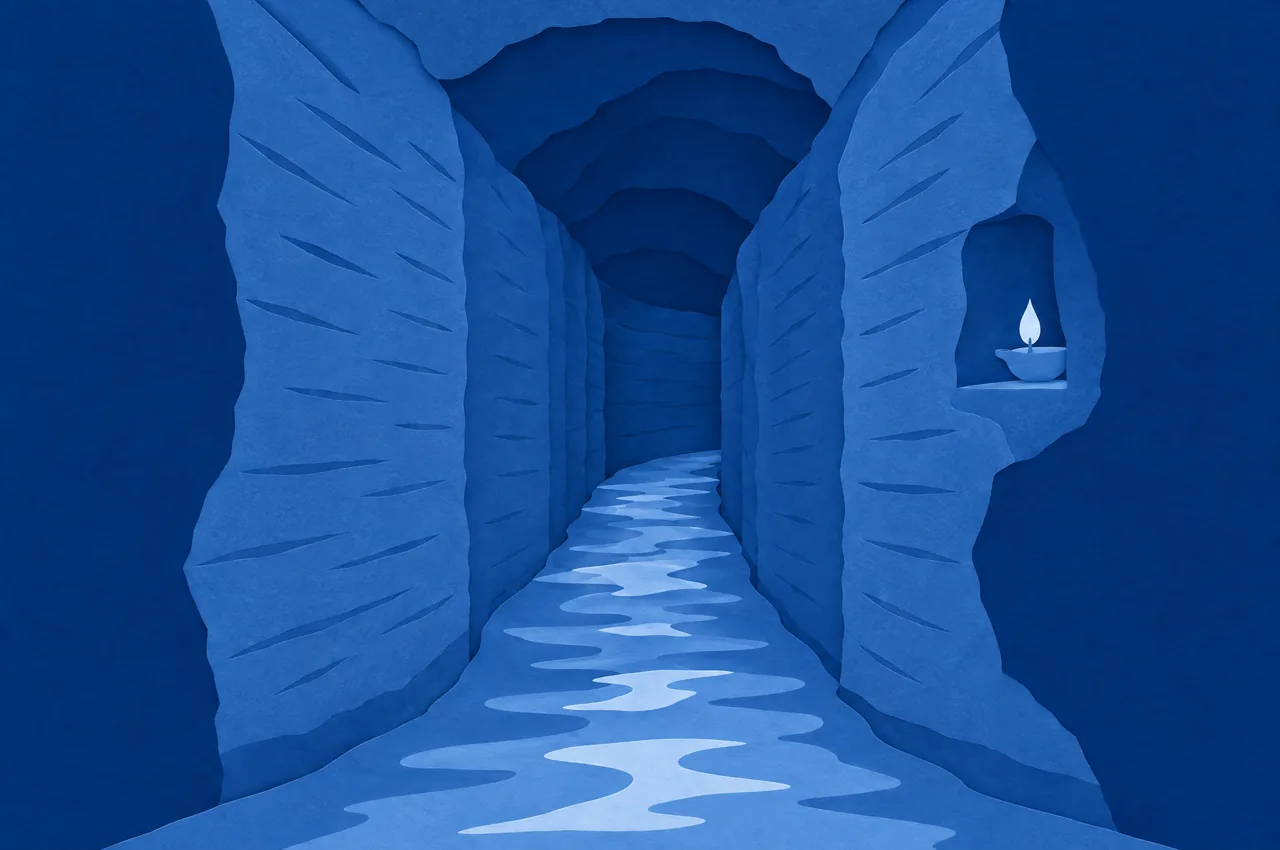
- DoThe wet tunnel is single file, dark and ankle- to knee-deep in most seasons. Bring shoes you can soak and a torch.
- AvoidDo not start the wet tunnel if you are claustrophobic. There is no exit between the ends.
- DoThe dry Canaanite tunnel runs parallel and is the alternative, not a lesser version.
- DoAsk before photographing residents or their doorways, the same as anywhere people live.
Local tip
Do the site downhill, finish at the Shiloah Pool, and if the Herodian drainage channel is open walk back up through it. It surfaces beside the Western Wall, which is the whole geography in one walk.
Hours, prices, access and security arrangements change: check official sources before you go, and follow the instructions of site and security staff. In an emergency, call the local emergency number (in Israel: police 100, ambulance 101, or 112 from a mobile).
The history of the City of David
Older than the walls you can see
The narrow ridge south of the Old City, above the Gihon Spring, is where Jerusalem began. The spring is the only reliable water in the area and it fixed the position of the city.
What has been excavated
Digs since the nineteenth century have produced massive fortifications around the spring, Iron Age houses, clay seal impressions carrying Hebrew names and Hezekiah’s Tunnel, cut through rock to carry the spring water inside the city.
Established and disputed
The tunnel and the fortifications are solid archaeology; the tunnel matches the waterworks described in 2 Kings 20 and 2 Chronicles 32. Identifying any particular structure here as the palace of David is still argued over by archaeologists, and honest guides say so.
A neighbourhood as well as a dig
The excavation lies inside the Palestinian neighbourhood of Silwan and the visitor site is operated by a private foundation. You are walking through a place where people live.
Hebrew for the visit
Phrases
- כַּמָּה זְמַן זֶה לוֹקֵחַ?kama zman ze lokeach?How long does it take?
- אֶפְשָׁר לַעֲבֹר?efshar la'avor?May I get past?Essential on a full bus or in a market lane. Slicha works too, but this one is unmistakable.
- אֶפְשָׁר לָלֶכֶת בְּרֶגֶל?efshar lalechet beregel?Can I walk there?Jerusalem is hilly and Tel Aviv is flat, so the same distance feels very different.
- כַּמָּה זֶה עוֹלֶה?kama ze oleh?How much does this cost?Hebrew says a price “rises”. The same verb means to go up and to immigrate to Israel.
Words
- עִירircity; townFeminine, with an irregular plural: עָרִים.
- מַיִםmayimwaterGrammatically plural in form, so adjectives agree in the plural: מַיִם קָרִים, cold water.
- אֶבֶןevenstoneJerusalem stone is required by city building rules, which is why the city reads as one colour.
- חוֹמָהchomawall (of a city)A defensive wall. An interior wall of a room is קִיר (kir).
- שְׁכוּנָהshchunaneighbourhood
- יְרוּשָׁלַיִםYerushalayimJerusalemThe ending looks like a dual form, which is why the name is often read as “twofold”.
Getting Around: all the phrases · All 157 phrases in the phrasebook
Last updated:
OrQuest is coming to iPhone and Android.
One email, when OrQuest reaches the app stores.