Jerusalem, Israel
The Mount of Olives
הַר הַזֵּיתִים Har HaZeitim
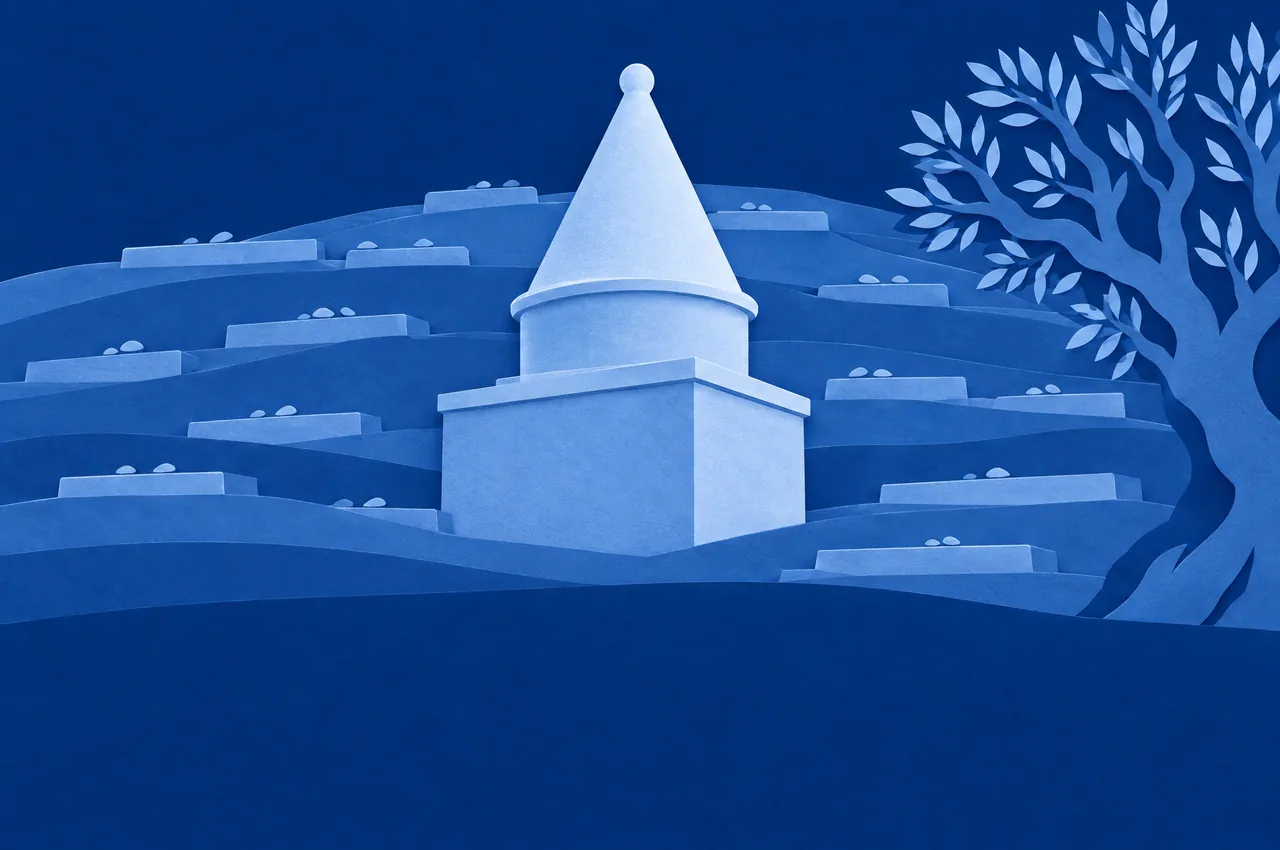
The oldest Jewish cemetery still in use, on the slope that gives the classic view of the Old City.
Jewish burial here since the First Temple period
Visiting the Mount of Olives
- What to wear
- Shoulders and knees covered, and shoes with grip. Men usually cover their heads in the cemetery.
- Photography
- The view is the reason people come. Funerals and mourners are not photographed.
- Cost
- Free. Taxis wait at the top overlook; agree a price before you get in.
- When to go
- Sunrise, when the light is on the Old City walls and the slope is empty.
- Access
- Steep, uneven and unshaded. The descent to the Old City takes about half an hour and is hard on knees.
What to wear at every Jerusalem site
Etiquette
- DoThis is a working cemetery. Walk on the paths, not between the graves.
- DoKohanim traditionally do not enter cemeteries. The upper overlook and the road are outside the burial ground.
- DoSmall stones are placed on graves instead of flowers. Adding one to a stranger’s grave is a kindness, not a trespass.
- DoFunerals happen most days. If one passes, step off the path and wait.
- AvoidDo not wander the lower slope alone at dusk. Come early, with a group or a driver who waits.
Local tip
Walk down rather than up, and stop at the Jewish graves nearest the path to read the dates. The nineteenth-century stones tell you where their families had come from.
Hours, prices, access and security arrangements change: check official sources before you go, and follow the instructions of site and security staff. In an emergency, call the local emergency number (in Israel: police 100, ambulance 101, or 112 from a mobile).
The history of the Mount of Olives
A burial ground, first and last
The western slope has been used for Jewish burial for millennia and holds tens of thousands of graves. The preference for burial here is tied to the tradition that the resurrection of the dead begins on this mountain.
The tombs in the valley
The rock-cut monuments below, popularly called the tombs of Absalom and Zechariah, are genuine tombs of the Second Temple period. The names attached to them are later tradition, not identification.
Damage and restoration
Between 1948 and 1967 large parts of the cemetery were damaged and headstones removed. Restoration has continued since, and burials resumed.
The view from the top
From the overlook you see the whole eastern face of the Old City: the Temple Mount platform, the sealed eastern gate in the wall below it, the Dome of the Rock and the Kidron Valley in between.
Hebrew for the visit
Phrases
- אֲנִי רוֹצֶה לוֹמַר קַדִּישׁani rotze lomar kaddishI’d like to say KaddishA woman says רוֹצָה (rotza). Kaddish needs a minyan, so tell the gabbai, who runs the service, before it begins.
- אֶפְשָׁר לָלֶכֶת בְּרֶגֶל?efshar lalechet beregel?Can I walk there?Jerusalem is hilly and Tel Aviv is flat, so the same distance feels very different.
- אֶפְשָׁר לְהַזְמִין מוֹנִית?efshar lehazmin monit?Can you order a taxi?A shared route taxi is a מוֹנִית שֵׁרוּת (monit sherut). It runs a fixed route for a fixed fare.
- בֹּקֶר טוֹבboker tovGood morningHebrew puts the adjective after the noun, so it reads “morning good”.
Words
- הַרharmountain; hill
- זַיִתzayitolive; olive treeThe Mount of Olives is הַר הַזֵּיתִים, using the plural.
- אֶבֶןevenstoneJerusalem stone is required by city building rules, which is why the city reads as one colour.
- קַדִּישׁKaddishthe prayer of sanctification, said by mourners among othersMostly in Aramaic, and it never mentions death. It requires a minyan.
- לְוָיָהlevayafuneralThe word means accompanying. Walking with the family is itself the act.
- יְרוּשָׁלַיִםYerushalayimJerusalemThe ending looks like a dual form, which is why the name is often read as “twofold”.
Visiting a Synagogue: all the phrases · All 157 phrases in the phrasebook
Last updated:
OrQuest is coming to iPhone and Android.
One email, when OrQuest reaches the app stores.