Jordan Rift Valley, Israel
The Dead Sea
יָם הַמֶּלַח Yam HaMelach
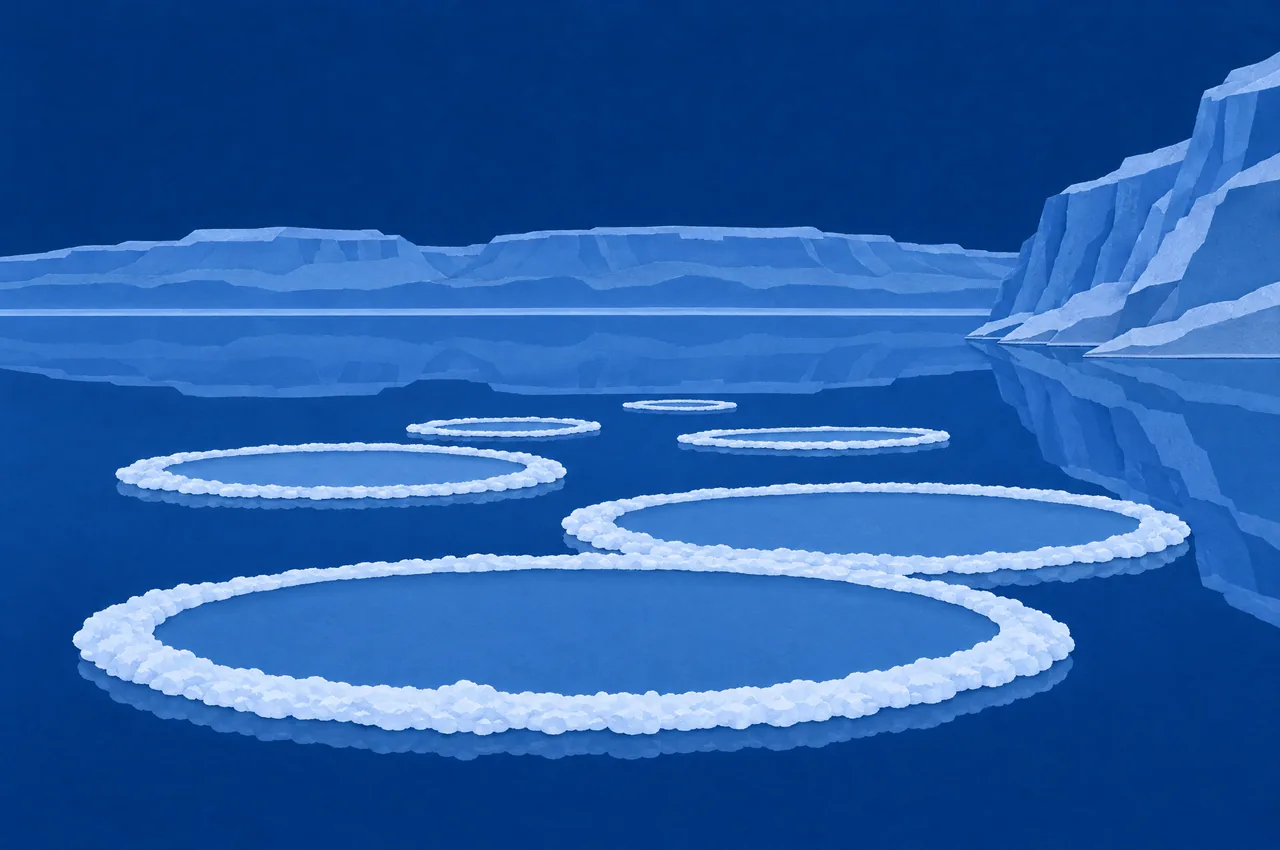
A lake with no outlet, ten times as salty as the ocean, dropping about a metre a year.
The lowest land on earth; shoreline receding since the 1960s
Visiting the Dead Sea
- What to wear
- Swimwear plus sandals you can walk into the water in. Salt crystals on the bottom are sharp.
- Photography
- Fine everywhere. Keep the camera away from salted hands and out of the water.
- Cost
- Public beaches range from free to a modest entry or parking charge. Hotel beaches are for guests, or open to others for a day fee.
- When to go
- Winter and spring. Summer afternoons on this shore run past forty degrees.
- Access
- Organised beaches have showers, shade and changing rooms. Some have ramps into the water, most do not.
What to wear at every site in Israel
Etiquette
- AvoidDo not put your face in the water and do not shave that morning. Salt in an eye or a cut is genuinely painful.
- DoFloat on your back rather than swimming face down, and get out after fifteen or twenty minutes.
- DoEnter only at a supervised beach. Sinkholes have closed long stretches of the shore and the closures are not decoration.
- DoRinse in fresh water straight afterwards. Every organised beach has showers.
- DoThe mud sold in the shops and the mud in the ground are much the same. Neither treats anything serious, whatever the label says.
Local tip
Go to a free public beach an hour before sunset rather than a hotel one at midday. The Moab hills across the water turn pink, and the day trippers have already gone.
Hours, prices, access and security arrangements change: check official sources before you go, and follow the instructions of site and security staff. In an emergency, call the local emergency number (in Israel: police 100, ambulance 101, or 112 from a mobile).
The history of the Dead Sea
Why it is like this
The lake sits at the bottom of the Jordan Rift Valley, more than four hundred and thirty metres below sea level. Water flows in and only leaves by evaporation, which is why the salt concentration is roughly ten times that of seawater.
Used since antiquity
Bitumen from the lake was traded in the ancient world and the Greeks called it Lake Asphaltites. Herod built on its shores, and the Dead Sea Scrolls were found in caves at Qumran on the north-western side between 1947 and 1956.
It is shrinking
The level has dropped more than a metre a year since the 1960s, because the Jordan is diverted upstream and minerals are extracted from the water in the south. Sinkholes open along the old shoreline as fresh groundwater dissolves buried salt.
Two different lakes now
The northern basin is the real lake and it is deep. The southern basin, where most of the hotels sit, is a set of shallow industrial evaporation ponds kept topped up by pumping.
Hebrew for the visit
Phrases
- כַּמָּה זֶה עוֹלֶה?kama ze oleh?How much does this cost?Hebrew says a price “rises”. The same verb means to go up and to immigrate to Israel.
- אֵיפֹה הַשֵּׁרוּתִים?eifo hasherutim?Where is the toilet?שֵׁרוּתִים is plural in Hebrew, like the English “facilities”. Signs read שירותים or W.C.
- כּוֹאֵב לִי כָּאןkoev li kanIt hurts herePoint as you say it. Hebrew makes the pain the subject: it hurts to me.
- מַיִם, בְּבַקָּשָׁהmayim, bevakashaWater, pleaseTap water is safe to drink across Israel. Say מַיִם מֵהַבֶּרֶז (mayim mehaberez) if you would rather not buy a bottle.
Words
- יָםyamseaThe Dead Sea is יָם הַמֶּלַח, the sea of salt.
- מַיִםmayimwaterGrammatically plural in form, so adjectives agree in the plural: מַיִם קָרִים, cold water.
- מִדְבָּרmidbardesert; wildernessThe book of Numbers is called בְּמִדְבַּר, “in the wilderness”, in Hebrew.
- נָהָרnaharriver
- חַםchamhot; warmFeminine: חַמָּה.
- דָּרוֹםdaromsouth
Market and Money: all the phrases · All 157 phrases in the phrasebook
Last updated:
OrQuest is coming to iPhone and Android.
One email, when OrQuest reaches the app stores.