Judean Desert, Israel
Masada
מְצָדָה Metzada
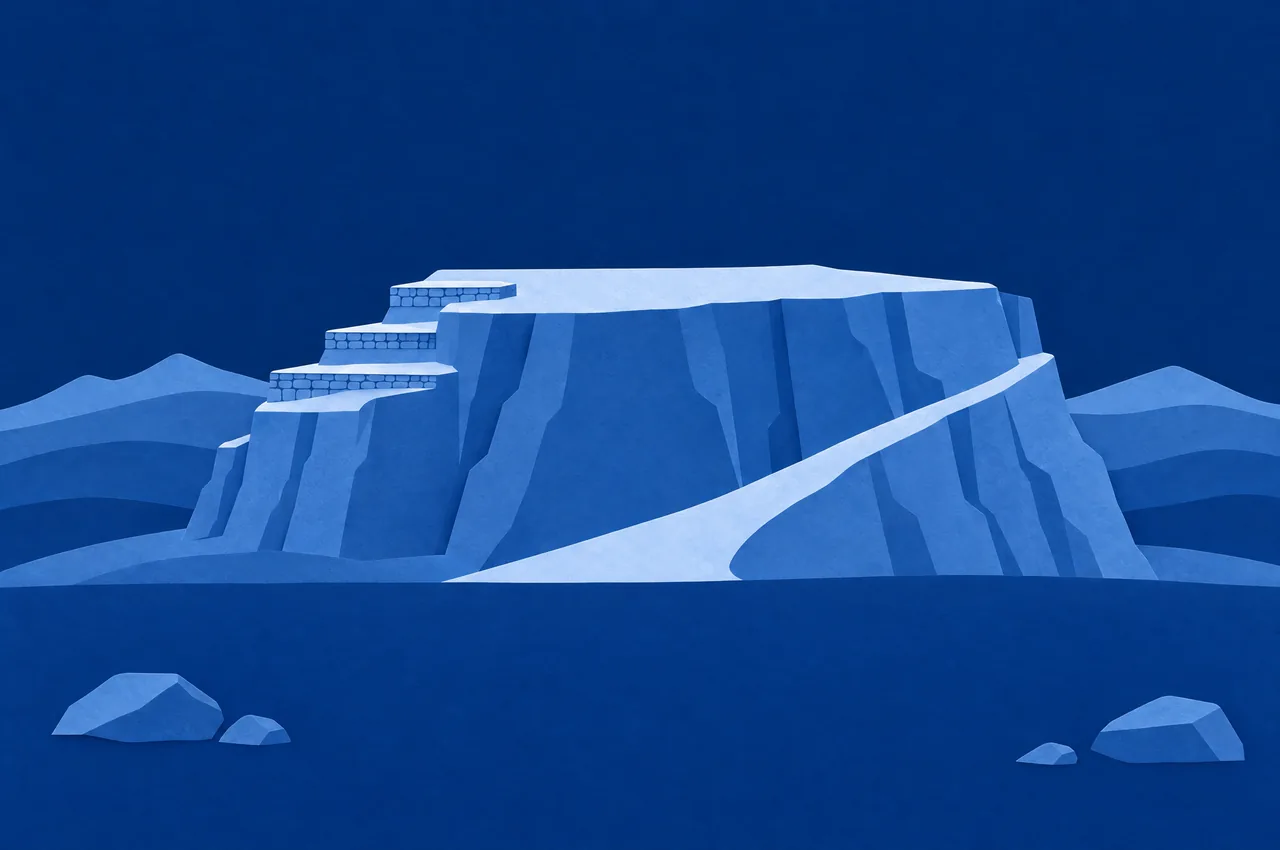
A palace fortress on a desert plateau, a Roman siege ramp still leaning against it and one ancient author telling us what happened at the end.
Herodian fortress, first century BCE; Roman siege 73 or 74 CE
Visiting Masada
- What to wear
- Sun-protective clothing, a hat and real walking shoes. Covered shoulders help more against the sun than anything else.
- Photography
- Free everywhere. The light is best in the first hour and the last.
- Cost
- Ticketed, with the cable car priced separately. Book ahead in season.
- When to go
- Sunrise from the eastern side, or late afternoon when shadows come out of the cisterns. Avoid the middle of a summer day entirely.
- Access
- Cable car from the Dead Sea side, or the Snake Path on foot, about forty-five minutes up. The western ramp path from Arad is shorter. The summit is uneven and the cable car does not make it step-free.
What to wear at every site in Israel
Etiquette
- DoCarry far more water than feels necessary, and a hat. There is no shade on the plateau at all.
- DoThe Snake Path closes once the heat rises, often by mid-morning in summer. The rangers enforce it for good reason.
- AvoidDo not step over the low ropes. The black line painted around the walls marks original stone below and reconstruction above, and the original is fragile.
- DoThe synagogue on the summit is one of the oldest known. Groups sometimes pray there, so wait rather than walk through.
- DoSunrise crowds are large and the paths are narrow. Start earlier than the schedule suggests, even in winter.
Local tip
Find the black line on the walls before you look at anything else. Once you can tell rebuilt stone from original, the whole site reads differently and you stop being fooled by the photographs.
Hours, prices, access and security arrangements change: check official sources before you go, and follow the instructions of site and security staff. In an emergency, call the local emergency number (in Israel: police 100, ambulance 101, or 112 from a mobile).
The history of Masada
Herod built it
Between roughly 37 and 15 BCE Herod built two palaces, storerooms, bathhouses, huge cisterns and a casemate wall on the plateau, as a refuge and a demonstration of power. The northern palace hangs on three terraces off the cliff face.
The siege
During the Great Revolt against Rome a group of Jewish rebels held the mountain. Rome besieged it, built a ring of camps and an assault ramp on the western side, and took it in 73 or 74 CE. The camps and the ramp are still there and still visible from the top.
One source for the ending
Nearly everything told about the last night comes from Josephus, writing in Rome decades later, including a speech he could not have heard. The siege works, the destruction and the occupation are archaeology. The mass suicide rests on his account alone.
A modern symbol
Yigael Yadin excavated the site in the 1960s and it became a national symbol; for years some army units were sworn in on the summit. It has been a UNESCO World Heritage Site since 2001.
Hebrew for the visit
Phrases
- שְׁנַיִם, בְּבַקָּשָׁהshnayim, bevakashaTwo, pleaseשְׁנַיִם is the masculine two, used for most market goods. Counting out loud on its own, Israelis say shtayim.
- מַיִם, בְּבַקָּשָׁהmayim, bevakashaWater, pleaseTap water is safe to drink across Israel. Say מַיִם מֵהַבֶּרֶז (mayim mehaberez) if you would rather not buy a bottle.
- כַּמָּה זְמַן זֶה לוֹקֵחַ?kama zman ze lokeach?How long does it take?
- אֲנִי לֹא מַרְגִּישׁ טוֹבani lo margish tovI don’t feel wellA woman says מַרְגִּישָׁה (margisha). For something stronger say אֲנִי חוֹלֶה or חוֹלָה, I am ill.
Words
- מִדְבָּרmidbardesert; wildernessThe book of Numbers is called בְּמִדְבַּר, “in the wilderness”, in Hebrew.
- הַרharmountain; hill
- מַיִםmayimwaterGrammatically plural in form, so adjectives agree in the plural: מַיִם קָרִים, cold water.
- חַםchamhot; warmFeminine: חַמָּה.
- חוֹמָהchomawall (of a city)A defensive wall. An interior wall of a room is קִיר (kir).
- אֶבֶןevenstoneJerusalem stone is required by city building rules, which is why the city reads as one colour.
Market and Money: all the phrases · All 157 phrases in the phrasebook
Last updated:
OrQuest is coming to iPhone and Android.
One email, when OrQuest reaches the app stores.