Sea of Galilee, Israel
The Shore of the Sea of Galilee
הַכִּנֶּרֶת HaKinneret
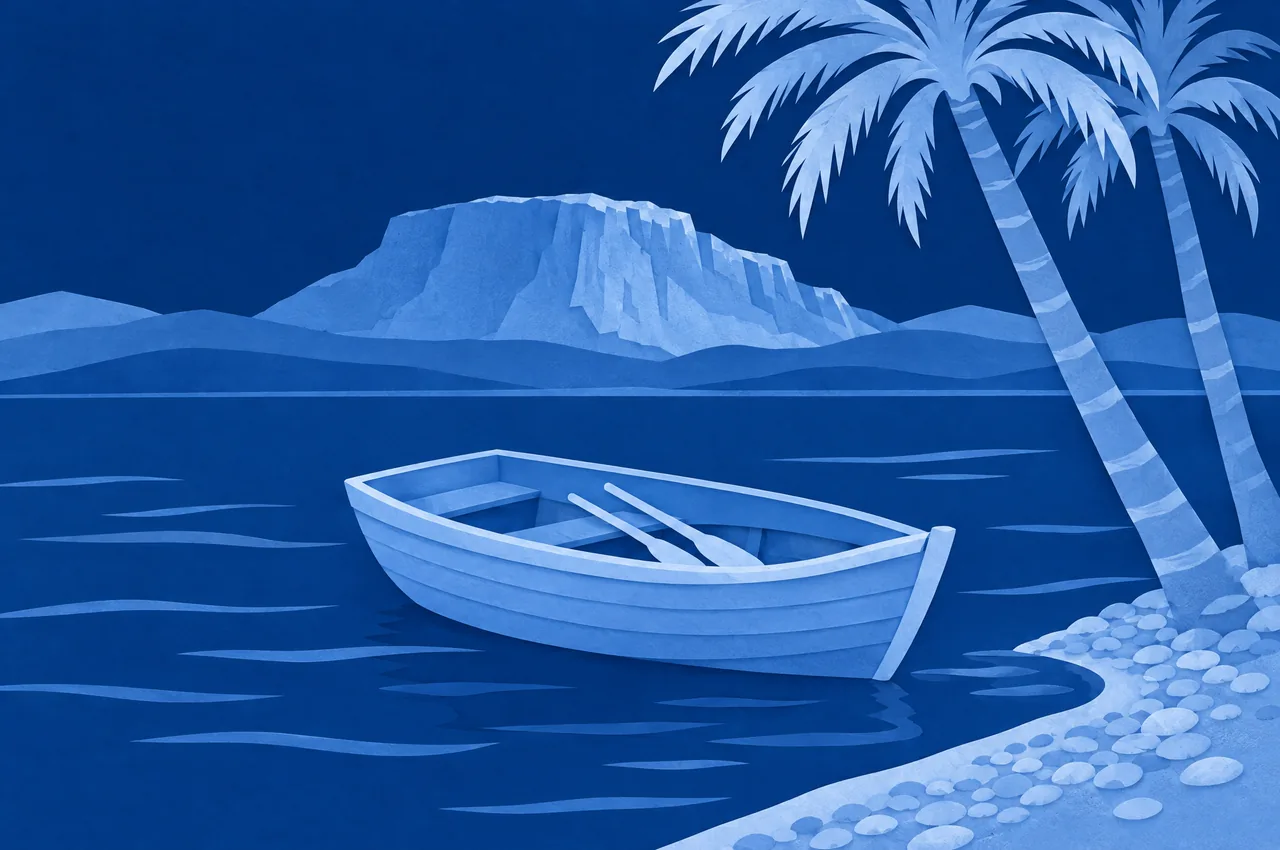
A freshwater lake below sea level, ringed by ancient synagogues, kibbutz fields and the graves of the poets who wrote about it.
Fishing villages here since antiquity; the first collective farms from 1908
Visiting the Shore of the Sea of Galilee
- What to wear
- Swimwear at the beaches, covered shoulders at Capernaum and the other church sites.
- Photography
- Free. Baptism groups and worshippers deserve the usual courtesy.
- Cost
- Beaches range from free to a modest charge per car. Capernaum and Magdala are ticketed separately.
- When to go
- Spring and autumn. Early morning on the eastern shore is the calmest water of the day.
- Access
- You want a car to circle the lake. Most beaches have level access; the archaeological sites are uneven.
What to wear at every site in Israel
Etiquette
- DoSome beaches charge for entry or parking and some are free. The difference is signposted at the gate.
- DoThere is no lifeguard on unmanaged stretches and the bottom drops away fast. Swim where other people are.
- DoChristian groups baptise at Yardenit and at several points on the shore. Give them the space you would want.
- DoAt the Kinneret cemetery, reading aloud at a grave is normal and so is sitting in silence. Both are welcome.
- AvoidDo not light fires outside the marked grills. The dry shore burns fast in summer and the fines are large.
Local tip
Drive the eastern shore at first light. The water goes flat, the Golan is behind you and every tour bus is still on the western side.
Hours, prices, access and security arrangements change: check official sources before you go, and follow the instructions of site and security staff. In an emergency, call the local emergency number (in Israel: police 100, ambulance 101, or 112 from a mobile).
The history of the Shore of the Sea of Galilee
A lake with many names
Kinneret in the Hebrew Bible, Gennesaret and the Sea of Galilee in Greek sources, Yam Kinneret today. It is freshwater, roughly twenty-one kilometres long, and the lowest freshwater lake on earth.
Villages on the water
Magdala, Capernaum and Bethsaida were fishing villages on this shore in the Second Temple period. The white limestone synagogue standing at Capernaum today was built in the fourth or fifth century, on top of an earlier basalt building.
The country’s water
For decades the lake was Israel’s main source of drinking water, carried south through the National Water Carrier from 1964. Desalination has since taken over most of the supply, and in recent years water has been pumped back into the lake.
The songs on the southern shore
Much of early modern Hebrew song came out of the farms at the southern end. The poet Rachel Bluwstein is buried in the cemetery on the shore, and people still stand at her grave and read her poems aloud.
Hebrew for the visit
Phrases
- כַּמָּה זֶה עוֹלֶה?kama ze oleh?How much does this cost?Hebrew says a price “rises”. The same verb means to go up and to immigrate to Israel.
- אֶפְשָׁר לְהַרְאוֹת לִי בַּמַּפָּה?efshar lehar'ot li bamapa?Can you show me on the map?אֶפְשָׁר lets you skip choosing a male or female verb. Hold up your phone as you ask.
- זֶה רָחוֹק?ze rachok?Is it far?Hebrew needs no verb “to be” in the present, so two words make a whole question.
- בֹּקֶר טוֹבboker tovGood morningHebrew puts the adjective after the noun, so it reads “morning good”.
Words
- יָםyamseaThe Dead Sea is יָם הַמֶּלַח, the sea of salt.
- מַיִםmayimwaterGrammatically plural in form, so adjectives agree in the plural: מַיִם קָרִים, cold water.
- דָּגdagfish
- צָפוֹןtzafonnorth
- בֹּקֶרbokermorning
Getting Around: all the phrases · All 157 phrases in the phrasebook
Last updated:
OrQuest is coming to iPhone and Android.
One email, when OrQuest reaches the app stores.