Jerusalem, Israel
The Western Wall
הַכֹּתֶל הַמַּעֲרָבִי HaKotel HaMa'aravi
A retaining wall of the Temple Mount platform, and the most visited place of Jewish prayer in the world.
Herodian stonework, from about 20 BCE
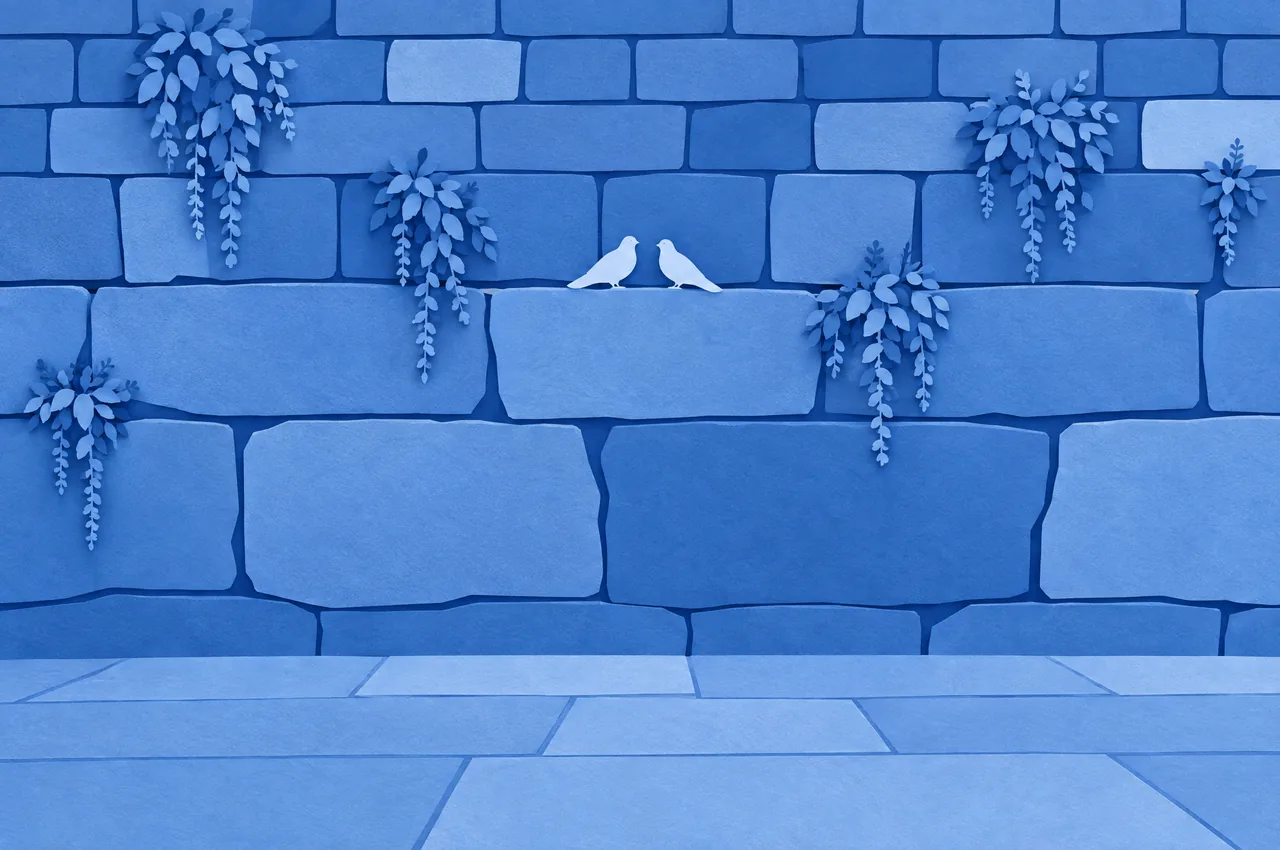
Visiting the Western Wall
- What to wear
- Shoulders and knees covered. Men are asked to cover their heads; paper kippot and shawls are lent at the entrance.
- Photography
- Fine on ordinary weekdays. Not on Shabbat or festivals. Keep praying individuals out of close-ups.
- Cost
- Free, open at all hours, every day of the year.
- When to go
- Friday about an hour before sunset, when the plaza fills for the start of Shabbat, or very early morning for quiet.
- Access
- A security check at every entrance. The plaza and both prayer sections are step-free.
What to wear at every Jerusalem site
Etiquette
- DoMen cover their heads. Free paper kippot sit in a box at the entrance to the prayer area.
- DoEveryone is expected to cover shoulders and knees. Wraps are lent at the gate.
- AvoidOn Shabbat and festivals photography is not done at the wall, and phones are best left in a pocket.
- DoNotes pushed into the cracks are collected and buried. Add one if you want to. Never pull one out.
- DoMany people step backwards a few paces before turning away. Follow suit or not, as you like; nobody is watching.
- AvoidClose-up photographs of individuals at prayer are intrusive. A wide shot of the plaza is fine.
Local tip
Go down into the excavated street beneath the plaza before you pray. Seeing the Herodian paving and the stones Rome pushed off the top changes what the wall looks like from above.
Hours, prices, access and security arrangements change: check official sources before you go, and follow the instructions of site and security staff. In an emergency, call the local emergency number (in Israel: police 100, ambulance 101, or 112 from a mobile).
The history of the Western Wall
What the wall actually is
It is not a wall of the Temple. It is part of the retaining wall Herod built to enlarge the platform the Second Temple stood on. Rome destroyed the Temple itself in 70 CE.
Why people pray on this side
Of the four retaining walls, this stretch is the closest accessible point to where the Holy of Holies is generally held to have stood. That is why Jews have gathered here to pray for centuries.
The plaza is recent
Until 1967 the wall was reached through the narrow lanes of the Mughrabi Quarter. The quarter was cleared days after the Six-Day War and the open plaza dates from then.
How it is run now
The main prayer area is divided by a mechitza and administered as an Orthodox synagogue. A separate section at Robinson’s Arch, south of the plaza, is used for egalitarian and mixed prayer.
Hebrew for the visit
Phrases
- אֵיךְ מַגִּיעִים לַכֹּתֶל?eich magi'im lakotel?How do you get to the Western Wall?Swap in any destination. The impersonal plural מַגִּיעִים is how Israelis ask this, with no I or you.
- אֶפְשָׁר לְקַבֵּל כִּפָּה?efshar lekabel kipa?May I have a kippah?A basket of kippot usually sits by the door. Men and boys cover their heads in almost every synagogue.
- אֶפְשָׁר לְצַלֵּם?efshar letzalem?May I take a photograph?Usually fine outside prayer times, and not on Shabbat or festivals, when observant Jews do not use cameras.
- יֵשׁ מִנְיָן הָעֶרֶב?yesh minyan haerev?Is there a minyan this evening?A minyan is the quorum for communal prayer: ten adult men in Orthodox practice, ten adults of any gender in egalitarian communities.
- שַׁבָּת שָׁלוֹםshabbat shalomPeaceful ShabbatUsed from Friday morning until Saturday night, to anyone. Ashkenazim also say gut Shabbes, in Yiddish.
Words
- הַכֹּתֶלHaKotelthe Western WallFull name הַכֹּתֶל הַמַּעֲרָבִי. A retaining wall of the Second Temple platform, not the Temple itself.
- תְּפִלָּהtefilaprayer
- כִּפָּהkipaskullcapYiddish speakers say yarmulke. Baskets of them sit at the door of most synagogues.
- מְחִיצָהmechitzathe partition separating men and womenStandard in Orthodox synagogues. Conservative, Reform and most Reconstructionist congregations seat men and women together.
- שַׁבָּתShabbatShabbat, the seventh dayFrom evening on Friday to nightfall on Saturday. The root means to stop or to cease.
- קָדוֹשׁkadoshholy; set apartFeminine: קְדוֹשָׁה. The root carries a sense of being separated for a purpose.
Visiting a Synagogue: all the phrases · All 157 phrases in the phrasebook
Last updated:
OrQuest is coming to iPhone and Android.
One email, when OrQuest reaches the app stores.