Amsterdam, Netherlands
The Portuguese Synagogue
קָהָל קָדוֹשׁ תַּלְמוּד תּוֹרָה Kahal Kadosh Talmud Torah
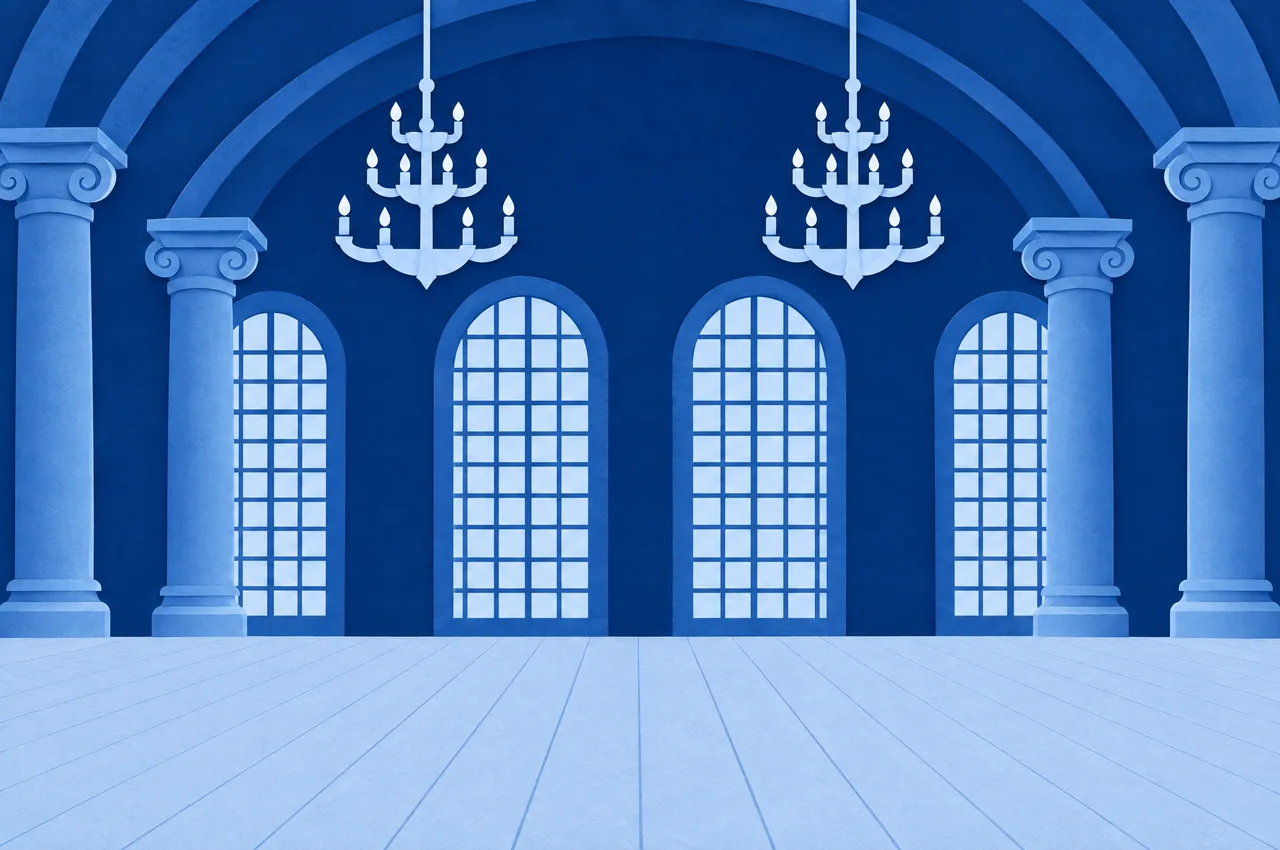
A vast brick hall of 1675, lit by candles and floored with sand, built by families who had come back to Judaism one generation out of Portugal.
Built 1671 to 1675, and never wired for electricity
Visiting the Portuguese Synagogue
- What to wear
- Ordinary clothes with shoulders covered. Head covering for men, provided at the door. Warm layers whatever the forecast says.
- Photography
- Usually allowed in the hall outside service times, without flash. Never during prayer.
- Cost
- A ticket that also covers the other sites of the Jewish Cultural Quarter a short walk away. Closed on Shabbat and Jewish holidays, and hours shorten in winter.
- When to go
- A winter afternoon, when the daylight goes out of the tall windows and the room shows you what candlelight was for.
- Access
- Street level, with thresholds and a few steps into the hall. Ask at the ticket desk about the step-free route before you buy.
Etiquette
- DoMen and boys cover their heads throughout. Kippot are lent at the entrance.
- DoThe hall is unheated and stone cold from autumn well into spring. A coat is not optional, and regulars still bring one in April.
- AvoidThe sand on the floor is laid there on purpose, to take the dust and quiet the footsteps. Do not sweep it aside and do not take any of it home.
- DoServices follow the Western Sephardi rite and visitors are welcome at them, which is a different thing from the museum route through the building.
- AvoidNo photography during prayer. At other times do what the staff at the door tell you.
- DoThe Ets Haim library belongs to the same complex and holds books and manuscripts from the seventeenth century onward. Reading room access is limited, and what you can see without an appointment is worth the detour.
Local tip
Ask at the desk when the next candlelit service or concert is, and come back for it. This is a fine building in daylight and an entirely different one under its candles.
Hours, prices, access and security arrangements change: check official sources before you go, and follow the instructions of site and security staff. In an emergency, call the local emergency number (in Israel: police 100, ambulance 101, or 112 from a mobile).
The history of the Portuguese Synagogue
Out of Portugal under another name
Portugal forced its Jews to convert in 1497, five years after many of them had fled there from Spain. Their descendants, called New Christians or conversos, lived outwardly Catholic lives for a century. From the 1590s families began reaching Amsterdam, where the Dutch Republic largely left them alone, and returned openly to Judaism.
Three congregations into one
Beth Jacob, Neve Shalom and Beth Israel merged in 1639 into a single community, Talmud Torah, which is the congregation that later built this synagogue and still uses it. The herem pronounced on Baruch Spinoza in 1656 was issued by this community, two decades before this building existed.
The hall of 1675
Elias Bouman designed it and it opened in the summer of 1675, at a scale meant to be seen in a city that had only recently permitted open Jewish worship. Inside there is a wooden barrel vault on heavy columns, a floor spread with fine sand in the Dutch manner, and brass chandeliers. The hall was never wired for electric light, so evening services are held by candlelight.
What the twentieth century took
The building came through the German occupation with its fabric intact. The community did not. Estimates differ in the detail, but roughly three quarters of the Jews of the Netherlands were murdered in the Holocaust, among the highest proportions anywhere in Western Europe. The congregation praying here today is small and directly continuous with the one that built the place.
Hebrew for the visit
Phrases
- אֶפְשָׁר לְהִכָּנֵס?efshar lehikanes?May I come in?Ask at the door rather than walking in during prayers. Most communities welcome a respectful visitor.
- אֶפְשָׁר לְקַבֵּל כִּפָּה?efshar lekabel kipa?May I have a kippah?A basket of kippot usually sits by the door. Men and boys cover their heads in almost every synagogue.
- אֲנִי לֹא יְהוּדִיani lo yehudiI’m not JewishA woman says יְהוּדִיָּה (yehudiya). Saying it plainly is fine, and visitors are usually welcome to sit and listen.
- יֵשׁ סִדּוּר בְּאַנְגְּלִית?yesh siddur beanglit?Is there a prayer book in English?A סִדּוּר is the daily prayer book. On the festivals the book used is a מַחֲזוֹר (machzor).
- תּוֹדָה רַבָּהtoda rabaThank you very muchרַבָּה is feminine because תּוֹדָה is a feminine noun. Adjectives always agree with their noun.
Words
- בֵּית כְּנֶסֶתbeit knessetsynagogueLiterally “house of gathering”. The Knesset, Israel’s parliament, shares the root.
- אֲרוֹן קֹדֶשׁaron kodeshthe ark holding the Torah scrollsSet into the wall facing Jerusalem. Everyone stands when it is opened.
- סִדּוּרsiddurprayer bookFrom “order”. Ashkenazi, Sephardi and Mizrahi rites differ in wording and in sequence.
- נֵרnercandle; lamp
- תְּפִלָּהtefilaprayer
- גָּלוּתgalutexile; the diasporaA charged word. Many prefer תְּפוּצוֹת (tefutzot), dispersion, for Jewish life outside Israel.
Visiting a Synagogue: all the phrases · All 157 phrases in the phrasebook
Last updated:
OrQuest is coming to iPhone and Android.
One email, when OrQuest reaches the app stores.