Venice, Italy
The Venetian Ghetto
הַגֶּטוֹ שֶׁל וֶנֶצְיָה HaGeto shel Venetzia
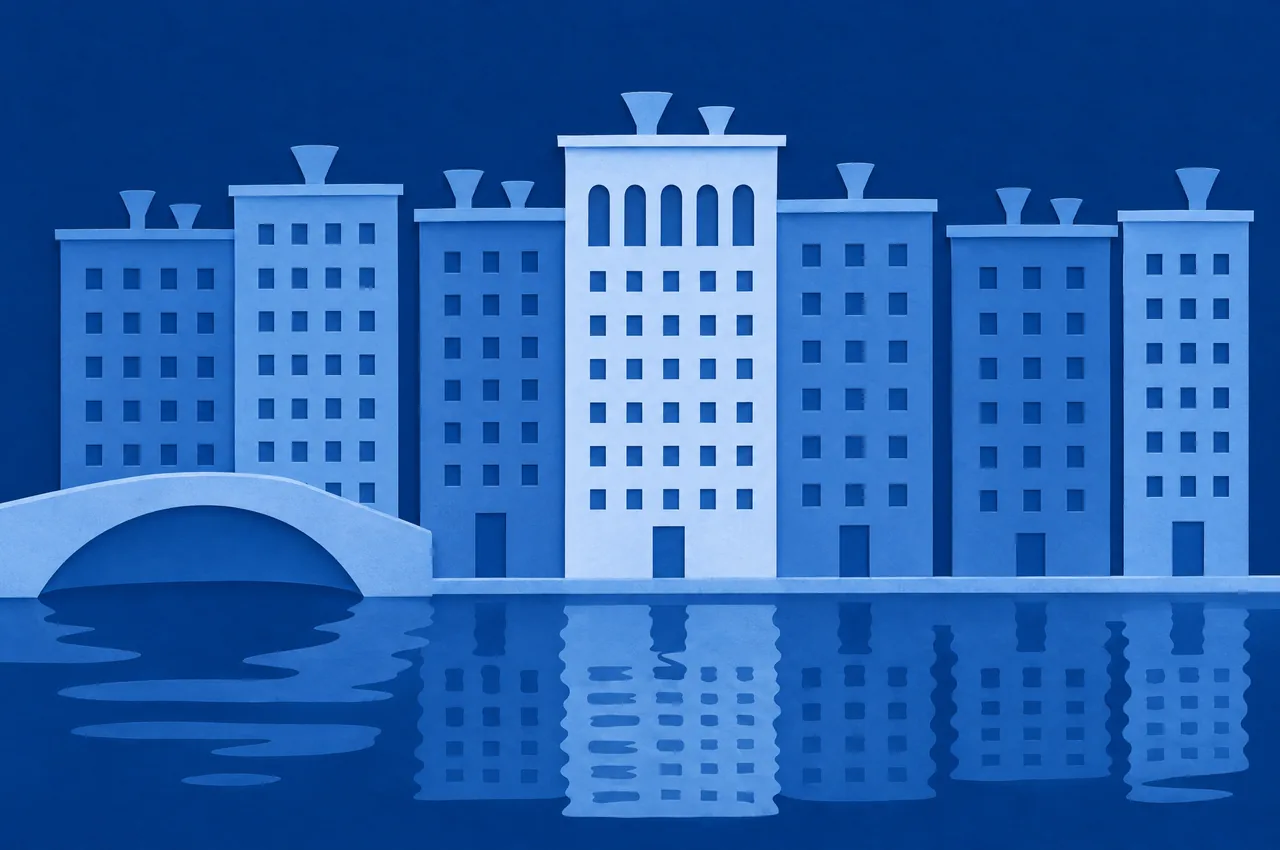
The walled quarter of 1516 that gave every later one its name, with five synagogues hidden in the upper floors and the tallest houses in the city.
Enclosed by decree in 1516; the gates pulled down in 1797
Visiting the Venetian Ghetto
- What to wear
- Shoulders and knees covered for the synagogue tour. Head covering for men, provided.
- Photography
- Free in the streets and on the campo. Not inside the synagogues.
- Cost
- Museum and synagogue tour are ticketed together, and the tour runs at set times in several languages. Book a slot rather than turning up for one.
- When to go
- Early morning, or the hour before sunset when the campo empties. Winter is the quietest season in Venice by a wide margin.
- Access
- Getting into Cannaregio means bridges with steps. The campo itself is flat, and the synagogues are up narrow staircases with no lift.
Etiquette
- DoThe synagogues are seen only on the guided tour that leaves from the museum on the campo. They are not otherwise open and there is no way around it.
- DoMen cover their heads inside the synagogues. Coverings are handed out at the door.
- AvoidNo photography inside the synagogues. The campo, the well-heads and the memorial are yours to photograph.
- DoPeople live on this campo and children play in it. It is a square in a working city, not an exhibit, and it reads far better if you sit in it for a while.
- DoEverything Jewish here closes for Shabbat and the festivals, museum and tours included. Sunday is an ordinary working day.
- DoThe community is small and observant visitors are welcome at services. Ask at the museum desk rather than trying a door.
Local tip
Find the well-heads in the middle of the campo before you look at anything else. The enclosure was an island with its own water and its own gates, and the campo is where all of that met.
Hours, prices, access and security arrangements change: check official sources before you go, and follow the instructions of site and security staff. In an emergency, call the local emergency number (in Israel: police 100, ambulance 101, or 112 from a mobile).
The history of the Venetian Ghetto
Where the word comes from
On 29 March 1516 the Venetian Senate ordered the Jews of the city to live on one small island in Cannaregio, behind gates locked at night. The site had held a copper foundry, and the Venetian word for casting, geto, became the name of the place and then a word in most European languages. Other etymologies have been proposed and none has displaced this one.
What enclosure actually meant
The gates shut at sundown and opened at dawn, watched by Christian guards the community was required to pay for. Outside the walls Jews had to wear a distinguishing hat or badge, and they were restricted to a few trades: lending money at rates the state fixed, dealing in second-hand goods, and medicine. Venice let the community exist and set the terms of its existence in the same breath.
Building upward
The quarter could not spread outward, so it went up. Houses around the Campo del Ghetto Nuovo run to six and seven low-ceilinged storeys, unusual for Venice. The names confuse everybody: the Ghetto Nuovo, the new foundry, is the original Jewish enclosure, and the Ghetto Vecchio next to it was added in 1541 for Levantine merchants. Five synagogues went up between the 1520s and about 1580, one for each community, sitting in the top floors of ordinary buildings rather than standing free.
Opened, then emptied
French troops pulled the gates down in 1797, though full civil equality only came when Venice joined the Kingdom of Italy in 1866. In 1943 and 1944 the Jews of Venice were rounded up and deported. Around two hundred and fifty went and a handful returned. The bronze reliefs by Arbit Blatas on the campo wall are their memorial. A few hundred Jews live in Venice today.
Hebrew for the visit
Phrases
- אֶפְשָׁר לְהִכָּנֵס?efshar lehikanes?May I come in?Ask at the door rather than walking in during prayers. Most communities welcome a respectful visitor.
- אֶפְשָׁר לְקַבֵּל כִּפָּה?efshar lekabel kipa?May I have a kippah?A basket of kippot usually sits by the door. Men and boys cover their heads in almost every synagogue.
- אֶפְשָׁר לְצַלֵּם?efshar letzalem?May I take a photograph?Usually fine outside prayer times, and not on Shabbat or festivals, when observant Jews do not use cameras.
- כַּמָּה זְמַן זֶה לוֹקֵחַ?kama zman ze lokeach?How long does it take?
- הַכֹּל סָגוּר בְּשַׁבָּת?hakol sagur beshabbat?Is everything closed on Shabbat?Most shops close from Friday afternoon. Tel Aviv, Haifa and Arab towns stay much busier, and Jerusalem goes very quiet.
Words
- בֵּית כְּנֶסֶתbeit knessetsynagogueLiterally “house of gathering”. The Knesset, Israel’s parliament, shares the root.
- שַׁעַרshaargateThe gates of the Old City walls all carry names built on this word.
- חוֹמָהchomawall (of a city)A defensive wall. An interior wall of a room is קִיר (kir).
- רְחוֹבrechovstreetStreet signs abbreviate it to רח׳ before the name.
- מִנְיָןminyanthe quorum needed for communal prayerTen adults. Orthodox practice counts men; most Conservative and Reform communities count all adults.
- גָּלוּתgalutexile; the diasporaA charged word. Many prefer תְּפוּצוֹת (tefutzot), dispersion, for Jewish life outside Israel.
Visiting a Synagogue: all the phrases · All 157 phrases in the phrasebook
Last updated:
OrQuest is coming to iPhone and Android.
One email, when OrQuest reaches the app stores.